Unit 10 · Segment 4: Sustaining Living Systems in a Changing World · printed p. 356 (PDF p. 392)
Humans and Changing Ecosystems
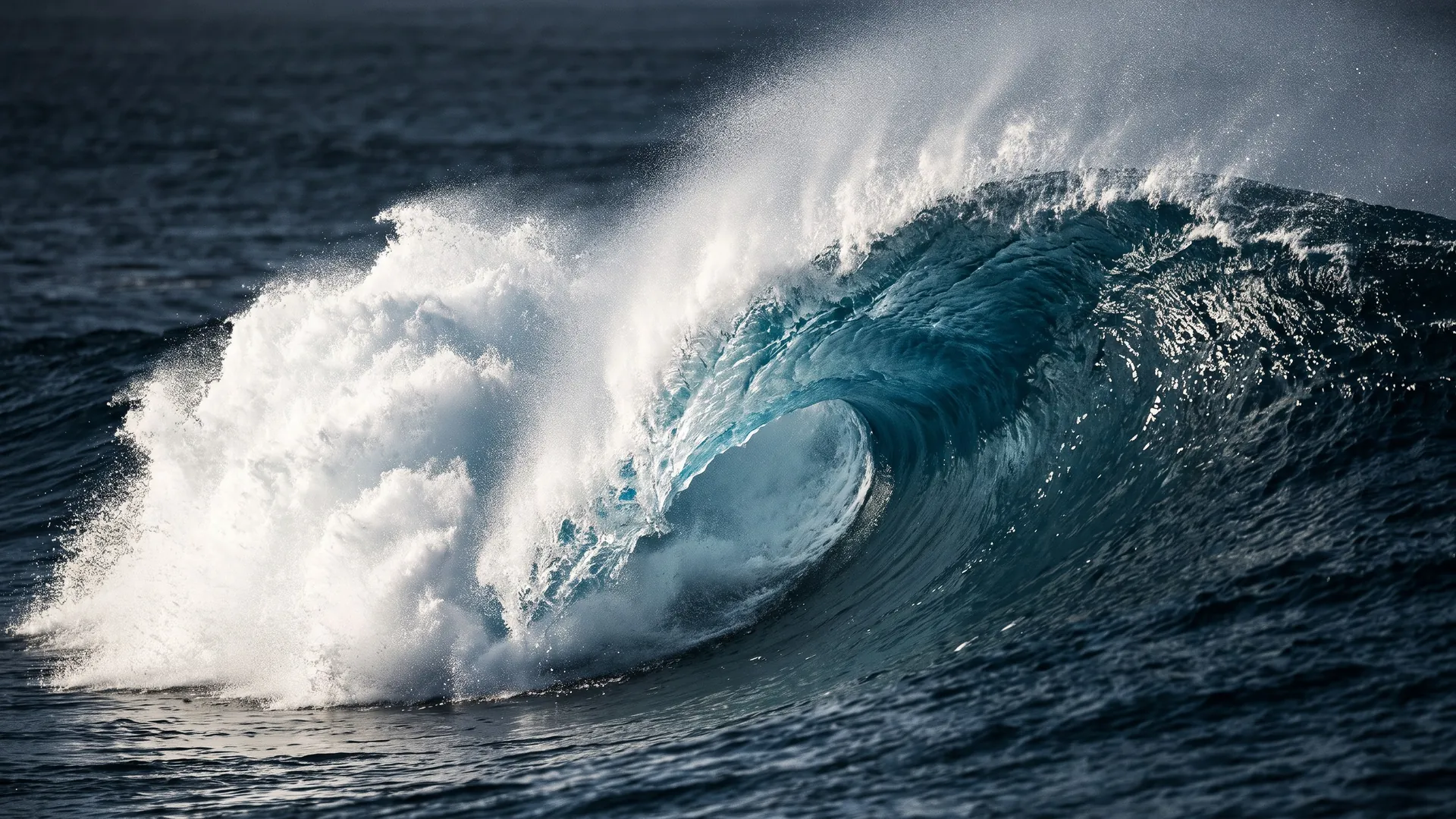
Abalone populations in southern California have been declining steadily since the 1960s.
Anchoring phenomenon
Chapters
- 27 Biodiversity
Why does biodiversity matter to how ecosystems work and to people, and how can we judge which plan best protects it?
1 presentation10 worksheets3 labs - 28 The Importance of Healthy Ecosystems
What do healthy ecosystems do for people, and how should a community decide whether to protect an ecosystem or pay to replace the services it provides?
1 presentation10 worksheets3 labs - 29 Engineering Solutions for Protecting Ecosystems
How do a growing human population and rising use per person change ecosystems, and how can people design, test and choose solutions that protect biodiversity and the services ecosystems provide?
1 presentation10 worksheets3 labs
Standards in this unit
Unit vocabulary
biodiversityThe variety of life in a place, counted at three levels: the genetic differences within a species, the number and mix of species, and the variety of ecosystems. Most comparisons in this chapter are at the species level.Chapter 27
species richnessThe number of different species (or, in a quick survey, different recognizable kinds) found in a place or a sample, no matter how many individuals of each there are.Chapter 27
biodiversity indexA single number that combines richness with evenness, which is how equally the individuals are shared among the species. Simpson's index of diversity runs from 0, when every individual belongs to one species, toward 1, when many species are evenly mixed.Chapter 27
proportionThe size of a part compared with the whole it belongs to, written as a fraction, a decimal or a percentage.Chapter 27
nicheThe role a species plays in its ecosystem: what it eats, where and when it finds food and shelter, and how it affects the other species around it.Chapter 27
keystone speciesA species whose effect on its ecosystem is far larger than its numbers would suggest, so that removing it changes many other populations.Chapter 27
extirpationThe loss of every member of a species from one area while the species survives somewhere else; a local extinction that can sometimes be reversed if the species returns.Chapter 27
extinctionThe death of the last member of a species anywhere on Earth. An extinct species is gone for good.Chapter 27
invasive speciesA species that people carried to a place outside its native range, where it spreads and harms native species, ecosystems or people.Chapter 27
ecosystem servicesThe benefits people get from ecosystems, such as clean water, pollinated crops, fish and shellfish to harvest, soil held in place, and places to enjoy.Chapter 27
biomimicrySolving a design problem by copying a structure or process that evolved in a living thing.Chapter 27
criteria and constraintsCriteria are what a design must achieve to count as a success. Constraints are the limits it has to work within, such as cost, time, laws and what the community will accept.Chapter 27
ecosystem serviceA benefit people get from the normal work of an ecosystem's living and nonliving parts, such as bees pollinating crops, soil filtering rainwater, or marsh plants slowing storm waves.Chapter 28
natural resourceA material or energy source from nature that people use, such as water, wood, food or minerals. Some are grown by living ecosystems; stone and metals form through geological processes in Earth's crust.Chapter 28
pollinationMoving pollen from the anthers of a flower to a stigma, the first step toward making seeds and fruit. Wind carries pollen for some plants; for many others an animal pollinator, such as a bee, fly, moth, bird or bat, carries it while feeding.Chapter 28
cross-pollinationPollination with pollen from a different plant. Most almond varieties can make seeds only with pollen from a different, compatible variety, because their own variety's pollen cannot fertilize them.Chapter 28
biodiversityThe variety of life in a place: how many kinds of organisms live there and how much the individuals of each kind differ in their traits.Chapter 28
disease resistanceInherited traits that make an organism less likely to be infected by a particular disease, or less likely to be badly harmed if it is infected.Chapter 28
scavengerAn animal that feeds mostly on animals that are already dead instead of hunting live prey.Chapter 28
watershedAll the land that drains rain and melted snow into the same stream, river, lake or reservoir.Chapter 28
turbidityHow cloudy a liquid is because of particles floating in it, such as silt, clay or bits of plants. Higher turbidity means murkier water.Chapter 28
criteriaThe things a design must achieve to count as a success, stated precisely enough to test. One of them is called a criterion.Chapter 28
constraintA limit a design must stay within, such as a budget, the materials available, time, laws, or the effects on people and the environment.Chapter 28
replacement costAn estimate of what an ecosystem service is worth, found by adding up what people would have to pay for a human-made substitute that does the same job.Chapter 28
per capitaPer person. A per capita amount is a group's total divided by how many people are in it.Chapter 29
ecosystem servicesThe benefits people get from working ecosystems, such as clean water, fish to eat, pollinated crops, fertile soil and protection from floods.Chapter 29
biodiversityThe variety of life in a place: how many kinds of organisms live there, how many of each there are, and the variety of habitats they use.Chapter 29
over-exploitationHarvesting a wild species faster than its population can replace the individuals taken, so the population shrinks.Chapter 29
by-catchAnimals caught by fishing gear that the fishers were not trying to catch, such as young fish, small species, sea turtles, dolphins or seabirds.Chapter 29
habitat degradationDamaging or destroying a natural area so that it can no longer support the living things and natural processes it used to.Chapter 29
invasive speciesA species that people have moved, on purpose or by accident, to a place where it did not live before, and that harms the ecosystem, the economy or human health there.Chapter 29
emerging diseaseA disease that has newly appeared in people or is quickly spreading to new places, often after people or their animals come into new contact with wild animals that carry it.Chapter 29
climate changeA long-term shift in Earth's climate, including rising average temperatures, rising seas and changes in how often extreme weather happens. The change since the 1800s is driven mainly by burning fossil fuels.Chapter 29
criteriaThe things a design must do to count as a success, stated precisely enough to test. The singular is criterion.Chapter 29
constraintsThe limits a design must work within, such as cost, materials, time, laws, safety and what the people who use it can manage.Chapter 29
tradeoffGiving up some of one good outcome to get more of another, when no design can have everything.Chapter 29